Execution in Iran: A Tool for Political Repression and Social Control
Execution in Iran has always been a highly controversial and debated issue, attracting widespread reactions both domestically and internationally. While the authorities present it as a tool for maintaining order and security, evidence suggests its extensive use to suppress political dissent, instill fear, and enforce social control.
History of Execution in Iran
Execution in Iran has deep historical roots, having been employed for diverse purposes across different periods—from punishment of crimes to suppression of opposition. In modern times, particularly after the 1979 Revolution, execution has gained prominence as one of the most severe forms of punishment. Over the decades, numerous political dissidents, human rights activists, and individuals with differing views from the government have faced this penalty.
During the 1980s, executions were widely used to crush political organizations such as the People’s Mojahedin Organization of Iran (PMOI) and leftist groups. Thousands were sentenced to death in swift trials, often without access to legal counsel. This policy continues to this day, targeting critics and protesters.
Statistics and Trends
According to reports by human rights organizations, Iran has one of the highest execution rates globally. Amnesty International estimates that hundreds of people have been executed in recent years, with a significant proportion of these executions linked to drug offenses and security charges.
Executions have particularly surged following major protests in 2009, 2017, 2019, and 2022, where many detainees were sentenced to death on charges such as “enmity against God” and “corruption on Earth.” These politically motivated executions have been instrumental in creating an atmosphere of fear and silencing dissent.
Social and Political Consequences of Execution
Social Control Through Fear
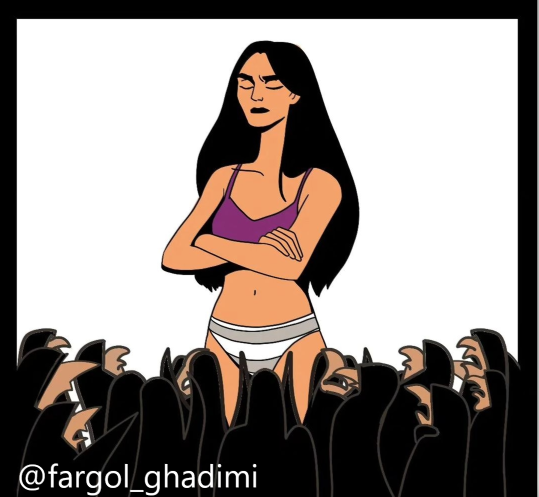
Execution in Iran is frequently used as a tool to instill fear and deter public protests or dissent. Public executions and the widespread dissemination of execution news serve as a stark warning: any defiance or disobedience may result in the harshest consequences.
Suppression of Opposition
Execution has played a pivotal role in dismantling political opposition. Many political activists and leaders of protest movements have been executed under charges such as “threatening national security” or “apostasy.” This policy has not only silenced dissenting voices but also weakened civil society.
Psychological and Social Impacts
Frequent and widespread executions have had a devastating psychological effect on Iranian society. They foster feelings of helplessness, despair, and a lack of hope for change. Families of those executed face social stigmatization and severe economic hardships, further deepening societal fractures.
International Reactions
The extensive use of executions in Iran, especially in political and security-related cases, has consistently drawn international condemnation. Human rights organizations such as Amnesty International and Human Rights Watch have repeatedly urged Iran to halt these practices. The European Union and the United Nations have issued numerous sanctions and statements regarding this issue.
Continued politically motivated executions have severely damaged Iran’s international reputation and strained its diplomatic relations. While these reactions have led to economic and political pressures, they have had little impact on changing the government’s approach.
Solutions and Future Outlook
Reducing executions in Iran requires extensive reforms in the country’s judicial and legal systems. Enhancing transparency in trials, abolishing executions for non-violent crimes, and adhering to human rights standards could be effective measures in this regard.
Moreover, the international community must maintain consistent pressure on Iran to halt politically motivated executions. Targeted sanctions and support for human rights activists can play a critical role in curbing this phenomenon.
Conclusion
Execution in Iran goes beyond a mere legal punishment; it is a tool for social control and political repression. This policy, based on fear and the silencing of dissent, has profound social and psychological consequences for Iranian society and has tarnished the country’s international standing. Only through structural changes and a commitment to human rights can the conditions improve and public trust be restored.