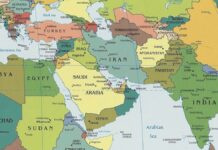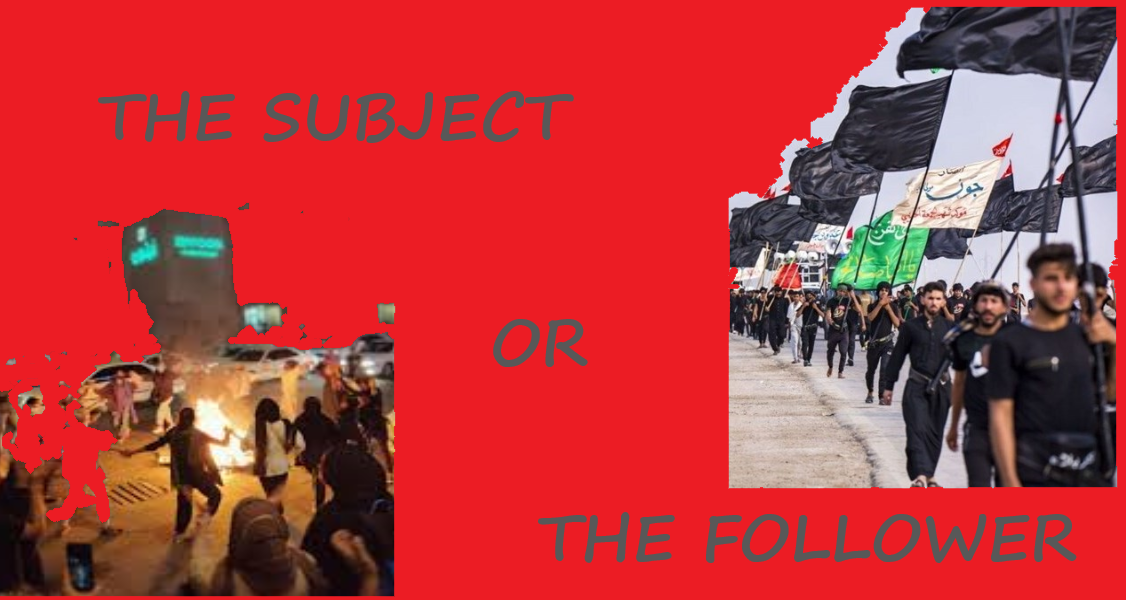
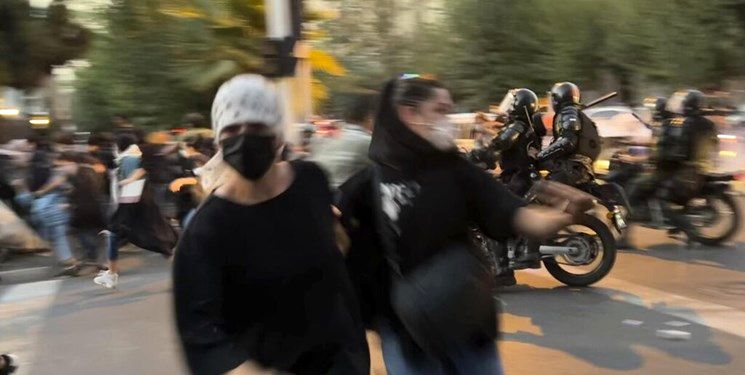
The Middle East, especially Iran, has become an arena of conflict between the above two identities more than ever. In this note, only the people of Iran are mentioned, but it can be generalized to the entire region [1]. Should people living in the Middle East (specifically in Iran) be merely the followers of a king, leader, or any authority like that, based on geographical and historical determinism؟ Or is it time for them to decide for life and the future as the subjects relying on their Consciousness? At the international level, the result of this conflict is whether the countries of the world should enter into negotiations with the people of this land and recognize their civil institutions and their desire for liberation, or consider the personal and exclusive governments ruling as representatives of official and real state on these lands. This conflict shows itself from both sides. On the one hand, you can see that the “Woman-Life-Freedom” movement is the Iranian people to achieve the status of the subject, and on the other hand, you can see all kinds of policies with huge costs from the government of Iran, that seek to introduce the people of this country as just as the followers. Arbaeen March is the attempt of the religious government to this aim.
Meanwhile, religion plays a key role for the promoters of the follower system. The latest example of monopolists’ effort to use religion as a tool is the propaganda and promotion of the “Arbaeen march” by the Iranian government (Arbaeen is the name of the 40th day after the martyrdom of Imam Hussein). By spending thousands of billions of IRR, the government of Iran is trying to hold this ritual more and more impressively. Throughout history, the incident of Karbala, which became the martyrdom of the third Imam of Shiites, always had a special place for this cult of Muslims. Shiites always hold rituals and mourning ceremonies for this event in the month of Muharram (the first month of the Islamic year) [2]. After the fall of Saddam Hussein’s government and the opening of the border between Iran and Iraq, the religious regime of Iran by holding the “Arbaeen march [3], has been trying to show the main component of the identity of the people of this land is “the religious followers”.
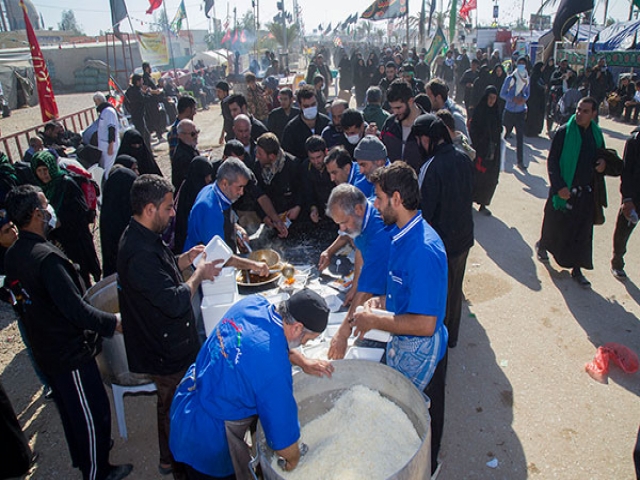
The result of this practice is quite clear: people who are identified as religious followers aren’t looking for “the subject” positions and making decisions. Because of their beliefs, people have given the authority to religious leaders, so political power is exclusive in their hands and the world should only transact with them [4].
PS:
1- This issue can be seen in the policies of other countries in the region. For instance, I can mention the continuous activity and spending of exorbitant expenses of Qatar to regain the power of the Taliban in Afghanistan. The Persian Gulf countries used all their power to reestablish “the follower system” in Afghanistan. They know very well that the movement for freedom and achieving “the status of the subject” is like a wave that can include all countries in the region. However, it can be acknowledged that the unconcern, irresponsibility, lack of consciousness, and underdevelopment of the Afghan people have provided the necessary platform for this reaction.
2- Click here for more information: https://en.wikipedia.org/wiki/Husayn_ibn_Ali
3- Click here for more information about Arbaeen march: https://en.wikipedia.org/wiki/Arba%27een_Pilgrimage
4- What is important is the government’s insistence on the voluntariness and willingness of the people to participate in this ceremony. Although there is always news about the provision of financial and legal facilities for the participants, in the media, it is always mentioned as a voluntary phenomenon and the government only intervenes in the provision of equipment for this march. obviously, the more voluntary and spontaneous this phenomenon is shown, the established authority will be firmer.